The Green Classroom: Educating Indonesia's Next Generation on Circular Economy through TPO/rCB
THE STORIES
TYROIL
7/23/20253 min read
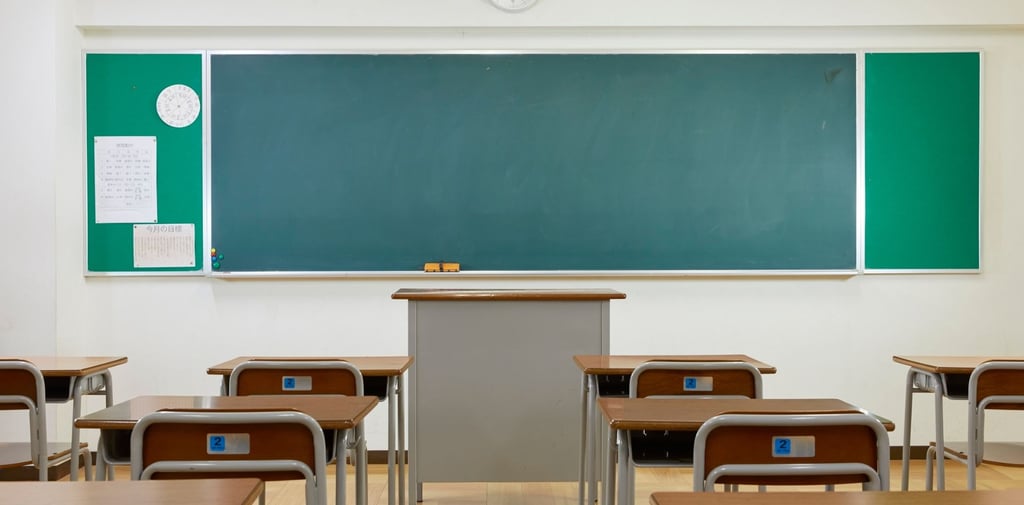
Indonesia, a nation with a burgeoning youth population, stands at a critical juncture. The decisions made today regarding environmental stewardship and economic development will profoundly shape the future for generations to come. While policy and industry play vital roles, the ultimate success of a sustainable transition hinges on the knowledge, skills, and mindset of its citizens, particularly its youth. What if the very principles of the circular economy, exemplified by technologies like Tire Pyrolysis Oil (TPO) and recovered carbon black (rCB), could be woven into the fabric of Indonesia's education system, empowering the next generation to be innovators and leaders in sustainability? This is the vision of the 'Green Classroom' – a transformative approach to education that prepares Indonesian youth for a circular future.
Traditional education often focuses on linear models of production and consumption, reflecting the industrial paradigms of the past. However, the urgent need for sustainable development demands a new pedagogical approach – one that fosters critical thinking about resource management, waste reduction, and the interconnectedness of environmental, social, and economic systems. The journey of end-of-life tires (ELTs) transforming into valuable TPO and rCB offers a tangible, real-world example of circular economy principles in action, making complex concepts accessible and engaging for students of all ages [1].
Integrating Circular Economy into the Curriculum
The 'Green Classroom' is not just about adding a new subject; it's about integrating circular economy principles across disciplines, from science and technology to economics and social studies. TPO and rCB can serve as powerful case studies to illustrate these concepts:
Science and Chemistry: Students can learn about the pyrolysis process, the chemical composition of TPO, and the properties of rCB. This provides a practical context for understanding organic chemistry, material science, and energy conversion.
Environmental Studies: The environmental impact of waste tires, the benefits of waste diversion, and the reduction of greenhouse gas emissions through TPO/rCB production offer compelling lessons in environmental protection and climate change mitigation.
Economics and Business: Students can explore the economic viability of TPO/rCB businesses, supply chain management, market demand for recycled materials, and the concept of value creation from waste. This fosters an understanding of green entrepreneurship and sustainable business models.
Social Studies and Civics: Discussions around the social impact of waste management, community engagement in recycling, and the role of policy in promoting circularity can enhance civic responsibility and social awareness.
Empowering Youth for a Sustainable Future
Beyond theoretical knowledge, the 'Green Classroom' aims to equip Indonesian youth with practical skills and a proactive mindset for sustainability. This can be achieved through:
Hands-on Learning and Field Trips: Visiting pyrolysis plants, tire recycling facilities, or companies using rCB can provide invaluable real-world exposure. Students can witness the transformation of waste into resources firsthand, making the learning experience more impactful.
Project-Based Learning: Encouraging students to develop projects related to local waste challenges, designing solutions, or even creating prototypes using recycled materials. This fosters innovation, problem-solving skills, and entrepreneurial thinking.
Vocational Training: For older students, vocational programs focused on operating and maintaining pyrolysis equipment, quality control for TPO/rCB, or developing new applications for these materials can create direct pathways to green jobs in the emerging circular economy sector [2].
Research and Innovation Hubs: Universities and research institutions can establish centers focused on TPO/rCB research, inviting students to participate in cutting-edge projects that push the boundaries of sustainable materials and energy.
Fostering a Culture of Sustainability
The ultimate goal of the 'Green Classroom' is to cultivate a deep-seated culture of sustainability within Indonesian society. By educating the next generation about the value of resources, the importance of waste reduction, and the potential of circular technologies like TPO/rCB, Indonesia can build a citizenry that is not only environmentally conscious but also equipped to drive innovation and implement sustainable solutions.
This educational transformation is an investment in Indonesia's future – an investment in a generation that understands the interconnectedness of their actions with the health of the planet and the prosperity of their communities. By turning classrooms into incubators for circular thinking, Indonesia is ensuring that its journey towards sustainable development is led by informed, empowered, and passionate young leaders, ready to build a greener, more resilient nation.
More Related Articles:
The Future is Circular: Policy, Innovation, and the Evolution of the TPO Business
The Human Element: Jobs, Skills, and the People Behind Tire Pyrolysis
Green Jobs and Economic Empowerment: The Social Impact of the TPO and rCB Industry
Community & Conscience: The Social Impact of Tire Pyrolysis on Corporations
References:
[1] ResearchGate. (2023). The Importance of Green Education in Indonesia: An Analysis of Opportunities and Challenges. Retrieved from https://www.researchgate.net/publication/376698690_The_Importance_of_Green_Education_in_Indonesia_An_Analysis_of_Opportunities_and_Challenges
[2] ScienceDirect. (2025). Recovered carbon black: A comprehensive review of activation.... Retrieved from https://www.sciencedirect.com/science/article/pii/S2588913325000328